Why Spring Is Ideal for Carpet Cleaning in Fort Collins, CO
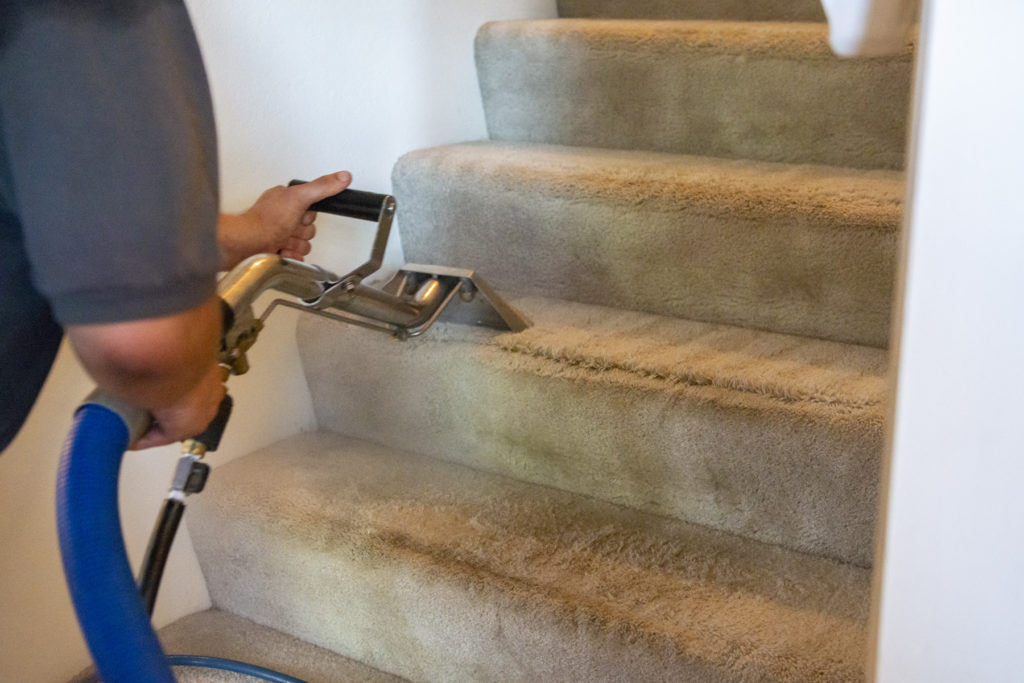


Fort Collins has a way of making carpets work harder than people expect. A home can look tidy on the surface, yet the carpet tells the real story of the season. Winter brings tracked-in de-icer, fine grit, moisture near entries, and the kind of packed-down soil that settles deep into the pile. By the time spring arrives, many homeowners notice dull traffic lanes, lingering odors, and spots that seemed minor in December but now stand out in the brighter light.
That timing is not accidental. Spring is when indoor surfaces finally reveal what the colder months left behind. It is also when the conditions in and around the home line up unusually well for deep cleaning. In Fort Collins, where weather shifts quickly and households often move between snow, mud, dry wind, and sunny afternoons in the same week, spring tends to offer the best balance of practical advantages. Carpets dry more predictably, windows can be opened, families are already in cleaning mode, and the soil load from winter has not had another full season to settle in.
People often think of carpet cleaning as a purely cosmetic service. Anyone who has spent time evaluating worn traffic areas or lifting soil from a heavily used family room knows better. The right cleaning at the right time affects appearance, indoor comfort, carpet life, and even how a home smells and feels day to day. For many households, spring is not just a convenient season for carpet care. It is the smartest one.
What winter leaves behind in Fort Collins homes
Carpet does not get dirty all at once. It layers. In winter, that layering accelerates.
Fort Collins residents deal with a familiar mix: slush at the front door, dust from dry conditions, residue from sidewalks and roads, and mud when temperatures swing upward. Even homes with strict shoe policies are not immune. Pets come in with damp paws. Kids drop gloves, backpacks, and sports gear. Guests wipe boots but still carry in fine particles that disappear into the fibers.
The most damaging part is not always what you can see. Sharp grit behaves like sandpaper under foot traffic. Every step presses that soil deeper into the carpet and rubs it against the yarn. Over time, colors look muted, texture feels rougher, and traffic paths lose their resilience. Homeowners sometimes assume the carpet is wearing out, when in reality a significant part of the problem is embedded soil distorting the fibers.
Winter also creates isolated moisture problems. Entry rugs become saturated. Snowmelt seeps into edges and thresholds. A carpet may dry on the surface but still hold enough dampness lower in the pile to trap odor and attract more soil. By late February or early March, many rooms have that faint stale note people cannot quite identify. Once the carpet is cleaned properly, they often realize the smell had been there for weeks.
Spring addresses this timing problem well because the dirt is present, but the season is favorable for removing it thoroughly and letting the carpet recover.
Drying conditions improve in spring, and that matters more than most people realize
Homeowners naturally focus on the cleaning itself, but drying is half the job. A carpet that is thoroughly cleaned and then left damp too long can develop wicking, recurring spots, or a musty smell. Better drying conditions help prevent all three.
Spring in Fort Collins usually offers a useful middle ground. Indoor heating is not blasting around the clock as it often does in midwinter, yet the air is still dry enough compared with summer conditions in many regions. On milder days, windows can be cracked open. Ceiling fans can run without making the house uncomfortable. HVAC systems are often circulating air in a more balanced way. All of that helps carpets dry faster and more evenly.
From a practical standpoint, this matters in several ways. Faster drying reduces the chance that soil from shoes or pet paws immediately reattaches to slightly damp fibers. It lowers the risk of furniture marks setting in. It also makes the household easier to manage after service, especially in busy homes where people do not want rooms out of commission for long.
I have seen this difference play out repeatedly. The same carpet cleaned in January may require much stricter airflow management to avoid extended dampness. In April, with decent ventilation and a mild afternoon, drying tends to be smoother and less stressful for the homeowner. That does not mean winter cleaning is wrong. Some situations cannot wait. But when the choice is flexible, spring creates friendlier conditions for a better overall result.
Spring sunlight exposes what overhead lighting hides
There is another reason spring prompts so many service calls. Natural light tells the truth.
When the days get longer and the sun comes through windows at a lower angle, carpet imperfections become much more visible. Lingering spills, traffic lanes, pet accidents that were “mostly gone,” and general dinginess suddenly stand out. It is common for someone to say, “I didn’t realize it looked this bad until I opened the blinds.”
That is not vanity. It is useful information. Better light helps homeowners notice where the carpet needs attention, which rooms should be prioritized, and whether spot treatment alone is enough. It also helps professionals evaluate what is actual staining versus compacted soil, pile distortion, or light reflection.
This is especially helpful in open-concept homes where one room transitions into another. Under winter lighting, the family room may seem acceptable. Under spring daylight, the difference between a cleaned perimeter and the traffic center becomes obvious. That visibility leads to better decisions and, often, more realistic expectations.
Some stains respond dramatically to cleaning. Others improve but do not disappear if they have chemically altered the fiber or backing. Spring light makes those distinctions easier to discuss honestly before work begins.
A seasonal reset makes more sense before summer traffic starts
Fort Collins homes tend to get busier once the weather improves. People entertain more. Kids move in and out of the house all day. Dogs spend more time outside and come back in dusty or damp. Windows stay open, which is pleasant, but it also means more airborne particles entering the home.
Cleaning carpets in spring gives the house a reset before that activity spikes. Rather than letting winter residue blend into spring and summer soil, you remove the old buildup first. That changes how the carpet performs through the next several months. Fibers stand up better, vacuuming becomes more effective, and new dirt is less likely to cling to residue left from prior seasons.
This is one of the less appreciated benefits of timely carpet care. A heavily soiled carpet does not just look worse. It gets dirty faster. Residual oils, spills, and embedded particles create a sticky, abrasive environment. Once that is removed, maintenance becomes easier and the whole room stays cleaner longer.
For households planning graduation gatherings, holiday weekends, or family visits, spring cleaning also has an immediate payoff. Guests notice fresh, clean flooring even if they cannot explain why the room feels better. The space smells cleaner, colors look brighter, and the house feels cared for.
Allergy season changes the conversation
TLC Carpet & Air Duct Cleaning Carpet Cleaning Fort Collins, COSpring in northern Colorado often comes with a familiar set of complaints: itchy eyes, sneezing, scratchy throats, and more awareness of dust indoors. Carpet is not the sole cause of these problems, but it can hold a surprising amount of fine particulate matter.
A good professional cleaning does not replace regular vacuuming or broader home maintenance, but it can remove accumulated debris that standard household vacuums leave behind. That is especially useful after winter, when windows were mostly closed and indoor particles had fewer chances to disperse. Homes with pets, children, or high foot traffic tend to see the biggest difference.
There is a judgment call here. Carpet cleaning is not a cure-all for allergies, and promising that would be irresponsible. If the real issue is an aging HVAC filter, neglected ductwork, heavy pet dander in upholstery, or outdoor pollen entering through open windows, the carpet is only one part of the picture. Still, reducing the soil and particulate load in the carpet often helps the house feel fresher and easier to live in during spring.
For families who are sensitive to strong odors, spring is also a practical time to clean because fresh air can circulate during and after service. Even with modern professional products designed for indoor use, people generally appreciate being able to ventilate the home naturally.
Mud season is real, but that does not make spring a bad choice
Some homeowners hesitate to schedule cleaning in spring because they worry mud season will undo the work. That concern is understandable, especially during periods of snowmelt and rain. The answer is not to avoid spring altogether. It is to time the service intelligently.
Early spring can be messy, particularly around entries, mudrooms, and paths from garages or patios. If a home has active landscaping work, large dogs, or kids in and out of sports fields, waiting for a slightly drier stretch can make sense. On the other hand, postponing too long often means the winter buildup remains in the carpet for months while new soil accumulates on top of it.
The better approach is practical rather than rigid. Clean once the worst winter residue is present and the home can realistically stay protected afterward with mats, shoe removal, and routine vacuuming. In many homes, that sweet spot falls squarely in spring.
A clean carpet is not ruined by normal life. It simply needs sensible aftercare. That is where expectations matter. If three muddy dogs are charging through the house twice a day, no season will preserve perfect carpet appearance for long. But even in active households, a proper spring cleaning usually improves the baseline enough that maintenance becomes manageable again.
Why professional cleaning tends to outperform rental equipment after winter
This is often the season when homeowners consider renting a machine. For light refresh work, some do-it-yourself efforts can help. After a Fort Collins winter, though, many carpets need more than a surface pass.
The challenge with rental units is not just extraction power, though that is part of it. It is consistency. Heavy winter soil often requires controlled pre-treatment, enough agitation to loosen embedded particles, and sufficient rinse and recovery to avoid leaving residue behind. If too much detergent stays in the carpet, resoiling can happen quickly, which leads people to believe the cleaning “didn’t last.”
There is also the moisture factor. Overwetting is common with inexperienced use, particularly in thick carpet or pad-heavy installations. A room may seem clean at first and then show recurring spots over the next day or two as moisture wicks residues back to the surface. This happens often near spills, pet accidents, and traffic lanes.
Professional service is not magic, and honest technicians will say so. Some stains are permanent. Some older carpets have wear patterns that no cleaning can reverse. But for restoring appearance after a season of compacted soil, professional equipment and process usually provide a clearer difference than consumer methods.
That is one reason searches for Carpet Cleaning Fort Collins, CO tend to rise in spring. Homeowners reach the point where vacuuming is not enough, spot cleaners have hit their limit, and they want the carpet to feel reset before the warm months begin.
The season pairs well with broader home maintenance
Spring carpet cleaning works especially well because it fits naturally alongside other tasks people are already tackling. Baseboards get wiped down. Windows are cleaned. Closets are reorganized. Upholstery gets attention. HVAC filters are changed. When carpets are cleaned during this larger home reset, the effect is more noticeable.
There is also a practical sequencing advantage. If winter left behind dust on sills, fan blades, and vents, those surfaces can be cleaned first so loose debris does not fall onto freshly cleaned carpet. Then the carpet can be addressed as the finishing step that makes the whole room feel renewed.
For homeowners preparing to sell, spring cleaning is even more strategic. Real estate season often picks up as weather improves. Clean carpet photographs better, smells better during showings, and can soften the appearance of a room without the cost of replacement. In many cases, deep cleaning is one of the highest-value pre-listing services because it affects nearly every room visually.
Landlords and property managers see this clearly. A unit with freshly cleaned carpet often rents faster, even when the flooring is not new. Prospective tenants read cleanliness as evidence of overall care.
Not every carpet should be treated the same way
One mistake homeowners make is assuming every room needs the same service level. Spring is a good time for a more thoughtful evaluation.
A low-pile synthetic carpet in a finished basement may respond very differently than a plush carpet in an upstairs bedroom. Wool requires different chemistry and handling than common synthetic fibers. High-traffic stairs need focused attention. Homes with pets may need odor treatment in select areas rather than wall-to-wall add-ons. Entry zones might need protection recommendations after cleaning because they bear the brunt of seasonal mess.
The best carpet care decisions are based on use patterns, fiber type, prior spotting attempts, age, and overall condition. That is where experience matters. Sometimes a room that looks heavily stained improves dramatically because the issue is mostly packed soil. Other times a carpet that appears moderately dirty has underlying wear that limits how much visual recovery is possible.
Spring is ideal not because it guarantees perfection, but because it is the moment when these conditions are easiest to assess and address before another full cycle of traffic begins.
How to get the most from a spring appointment
Timing and preparation make a measurable difference. Homeowners do not need elaborate pre-service routines, but a few smart choices help the cleaning deliver better value.
- Vacuum thoroughly beforehand if possible, especially in high-traffic areas.
- Point out spots, spills, and pet issues early, including any do-it-yourself products already used.
- Clear small items and fragile decor so the technician can work efficiently.
- Plan airflow after cleaning, with fans, open windows if weather allows, or HVAC circulation.
- Keep shoes and pets off damp carpet until it is fully dry.
That short list solves most avoidable problems. It also sets realistic expectations. A technician can treat what is known. Hidden pet spots under furniture, old detergent residue from repeated spot cleaning, or furniture left sitting on damp carpet can all affect the outcome.
One of the most useful conversations during a spring appointment is about maintenance cadence. Not every household needs the same schedule. A retired couple with no pets may do well with less frequent service. A family with children, a dog, and busy entryways may benefit from annual spring cleaning with targeted touch-ups in between.
When spring is not the best timing
Despite all the advantages, spring is not automatically right for every situation. If major remodeling is about to start, it often makes more sense to wait until the dust-producing work is finished. If the home is dealing with an active leak, carpet cleaning should come after the moisture issue is resolved. If pollen is blowing heavily and windows cannot be managed without making indoor dust worse, timing may need adjustment.
There are also households where fall is equally logical, especially if the goal is to freshen interiors before the holidays and the home stayed relatively protected during winter. But if the question is which season most often offers the best blend of need, drying conditions, and preventive value, spring remains hard to beat.
That is particularly true in Fort Collins, where the transition out of winter leaves a clear footprint indoors. Cleaning at that point is not just about appearance. It is an effective way to remove abrasive grit, reset heavily used rooms, and make the home feel lighter after months of cold-weather buildup.
For homeowners comparing options for Carpet Cleaning Fort Collins, CO, spring stands out for simple, practical reasons. The carpets need attention, the environment supports better drying, and the results can carry real benefits into the busiest part of the year. When the season shifts outside, it is often the right moment to let the floors catch up inside.
TLC Carpet & Air Duct Cleaning
921 E Prospect Rd, Suite C
Fort Collins, CO 80525
(970) 352-8176
FAQ About Carpet Cleaning Fort Collins, CO
What is the best time of year to clean carpets in Fort Collins, CO?
Choose a day when you can give the carpet time to dry and keep foot traffic low. Ventilation and indoor humidity can matter more than the season.
How long will my carpet take to dry after cleaning?
Drying time varies with the carpet, cleaning method, humidity, and airflow. Ask the technician for an estimate and when to move furniture back.
How do I prepare my home for carpet cleaning?
Pick up small items, clear a path for equipment, and point out stains or delicate fibers. Ask the cleaner which furniture they can move and what needs to be moved before the visit.
Ends · REIDHNHI354